What should you know before installing a free VPN on your PC?
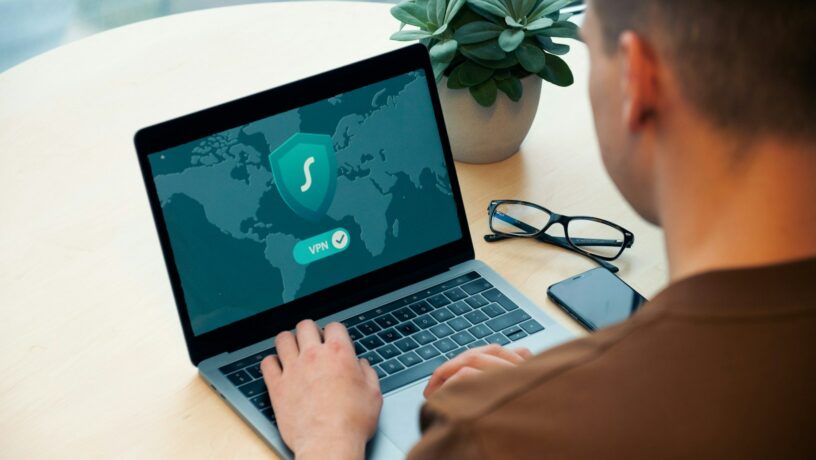
Have you ever wondered what’s really at stake when you choose to surf the web using a free VPN? Imagine a hidden world beneath your clicks, filled with risks that could expose your personal data or compromise your online security. It's a digital playground that promises anonymity but often delivers far more than you bargained for. As attractive as free VPN services might seem, are they really worth the gamble?
In today's hyper-connected society, where privacy breaches are increasingly common, selecting the right VPN is crucial. With so many options available, understanding the nuances between free and paid services can save you from potential pitfalls. In this article, you'll discover key considerations before making a choice, including the hidden costs of free VPNs, the importance of data privacy, and best practices for staying secure online. Stay tuned to arm yourself with the knowledge you need to navigate this crucial decision and protect your digital life!
What You Should Know Before Selecting a Free VPN for Your PC
When it comes to free VPNs, there’s a wide range of performance, privacy, and features. Consider essential elements like logging policies, the law’s reach over the provider, the strength of encryption, the number of available servers, and any data limitations. Make sure the VPN is compatible with your devices, whether that’s a PC, laptop, or virtual machine.
It’s vital to check the provider’s reputation and explore independent reviews. Look for transparent privacy policies and up-to-date security assessments. Steer clear of applications that ask for unnecessary permissions or come bundled with extra software.
Understanding the Trade-Offs Between Free and Paid VPNs
Free VPN services often cut costs by limiting features. Typical restrictions could include a smaller number of servers, slower connection speeds, data limits, and even advertisements. In contrast, paid VPN plans typically provide more server options, faster speeds, and enhanced customer support.
The distinction in security features is significant as well. Paid VPNs often offer advanced protocols, integrated kill switches, and verified no-log policies, whereas free services may only provide basic encryption and limited protocol options.
Privacy is another area where the costs become apparent. Free providers might monetize user traffic through advertisements, data analytics, or partnerships with third parties. On the other hand, paid services generally depend on subscription fees rather than on selling user data. If you're looking for a free vpn check offer at Tuxlervpn, make sure to explore options that prioritize user privacy and security.
Potential Risks of Using Free VPNs
One of the main concerns with free VPNs is their logging practices and potential sale of your data. Some of these services maintain connection or usage logs and may even sell anonymized information. These logs can include details like timestamps, your IP address, and the websites you've visited, all of which can compromise your privacy.
Additionally, some free applications may expose you to malware and intrusive ads. They might come equipped with trackers or advertising SDKs, which can leak your information to advertisers or analytics firms.
The level of encryption provided can be low or outdated, and insecure protocols increase the chances of your data being exposed. Issues like DNS leaks or the absence of a kill switch can expose your true IP address if the connection drops unexpectedly.
Lack of customer support and minimal transparency are also significant drawbacks. Many free VPN services do not offer third-party audit reports or clearly defined data retention periods.
Examining Data Privacy Policies of Free VPN Providers
Take the time to read the privacy policy thoroughly. Look for clear statements regarding data collection, how long they store your data, sharing practices, and how they respond to law enforcement requests. Scrutinize logs closely, as they can include both connection and traffic data.
Consider the jurisdiction and ownership of the VPN service. Providers based in various countries may have different legal obligations. Independent audits and transparency reports can lend credibility to a provider's claims.
Hidden Costs and Limitations of Free VPN Services
Many free VPN services come with data caps that restrict your usage. For example, you might encounter limits like 500 MB per day or 2 GB per month. If you plan to stream videos or download large files, you’ll likely exhaust these allowances quickly.
Bandwidth throttling is another common issue, which can slow down your connection speeds. Providers may limit your throughput to ensure premium users have sufficient capacity, impacting your streaming quality and file transfers.
Additionally, having a limited number of servers can affect your experience. Fewer server options create delays and congestion, especially during peak usage times. Activities like P2P sharing and torrenting are often restricted as well.
The presence of ads and monetization techniques can infringe on your privacy. Tracking libraries and advertisements may introduce third-party scripts or gather analytic data without your consent.
You might also face upsell pressures within the app. Frequent prompts to upgrade, limited customer support, and locked features can surprise you with unexpected costs.
Finding Trustworthy Free VPN Options
To identify reliable free VPNs, look for trust signals like open-source clients, independent audits, and transparent ownership structures. Make sure to check for published audit reports, clear privacy policies, and available customer support channels.
Opt for reputable freemium providers known for their strict no-log policies. Examples include ProtonVPN, Windscribe, and TunnelBear, which all offer free tiers alongside premium options.
Before downloading, verify app permissions and the source of the code. Always obtain software from official websites or recognized app stores. Community reviews and security analyses can provide additional context regarding your chosen service.
Evaluating the Speed and Performance of Free VPNs
Conduct standard speed tests to measure download and upload speeds, as well as ping times. Test connections across different servers and at various times to gauge performance consistency.
Be prepared for slower speeds compared to paid options. Free plan speeds can vary significantly, ranging from 2 to 50 Mbps, influenced by server demand and the overhead of the protocols in use.
Best Practices for Safely Installing and Using a Free VPN
Always download VPN software from legitimate sources. If possible, verify digital signatures or publisher information. Before installing, run the setup file through antivirus software to ensure safety.
Be cautious when engaging in sensitive activities while using free VPNs. Avoid online banking, transferring confidential files, or logging into business accounts. Use HTTPS, enable two-factor authentication, and maintain endpoint protection to mitigate risks.
Regularly update your VPN client and keep an eye out for any unusual account activity. You might also consider trying out paid services with free trials or complementing a trustworthy free plan with other privacy-enhancing tools.
